
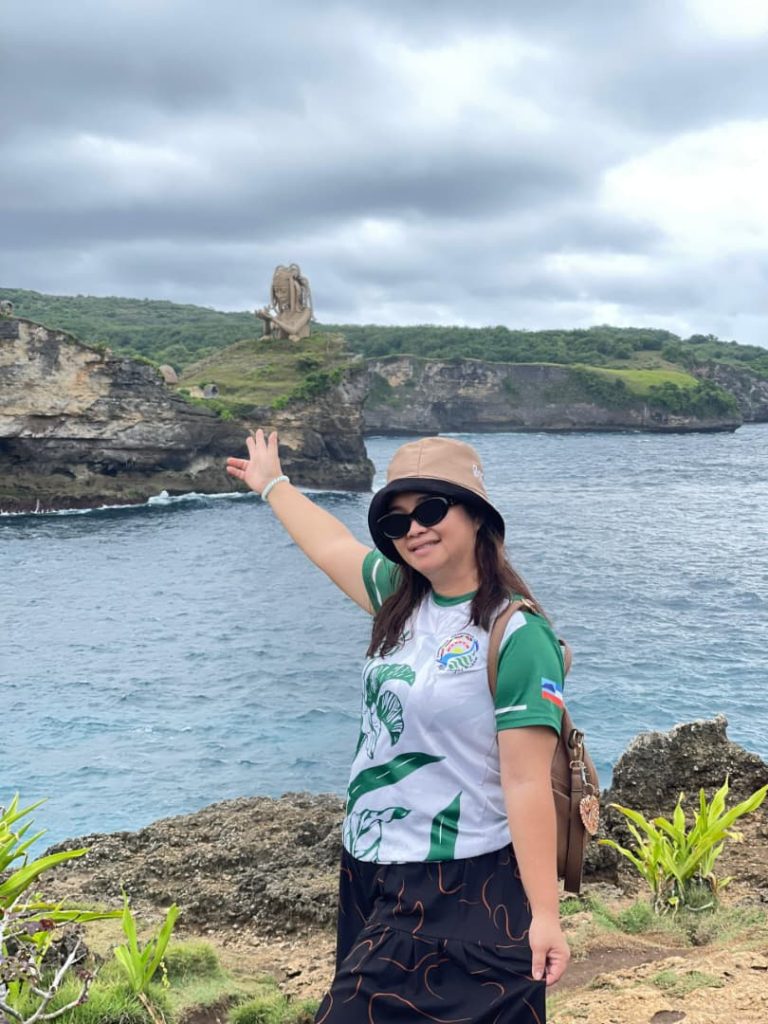
Deep in Ulu Sugut, a teacher is turning an almost-forgotten material into something much bigger: income, confidence and a reason for a new generation to keep an old tradition alive.
In Kampung Mangkapoh, Ulu Sugut, Junisa Agang grew up seeing something many rural communities understand well — people with skills and potential, but not always the opportunities to turn them into livelihoods.
Junisa eventually left her village to further her education. She became a teacher. But rather than seeing education simply as her own way forward, she kept returning to one question:
What could she bring home?
That question eventually led her back to lias.
What exactly is Lias?
At first glance, you might mistake it for rattan or bamboo.
Lias is a wild plant from the palm family traditionally used by the Dusun Tinagas community of Ulu Sugut. In many parts of Sabah it has become increasingly difficult to find, while the knowledge of working with it risks disappearing along with an ageing generation of skilled makers.
Junisa saw another problem too.
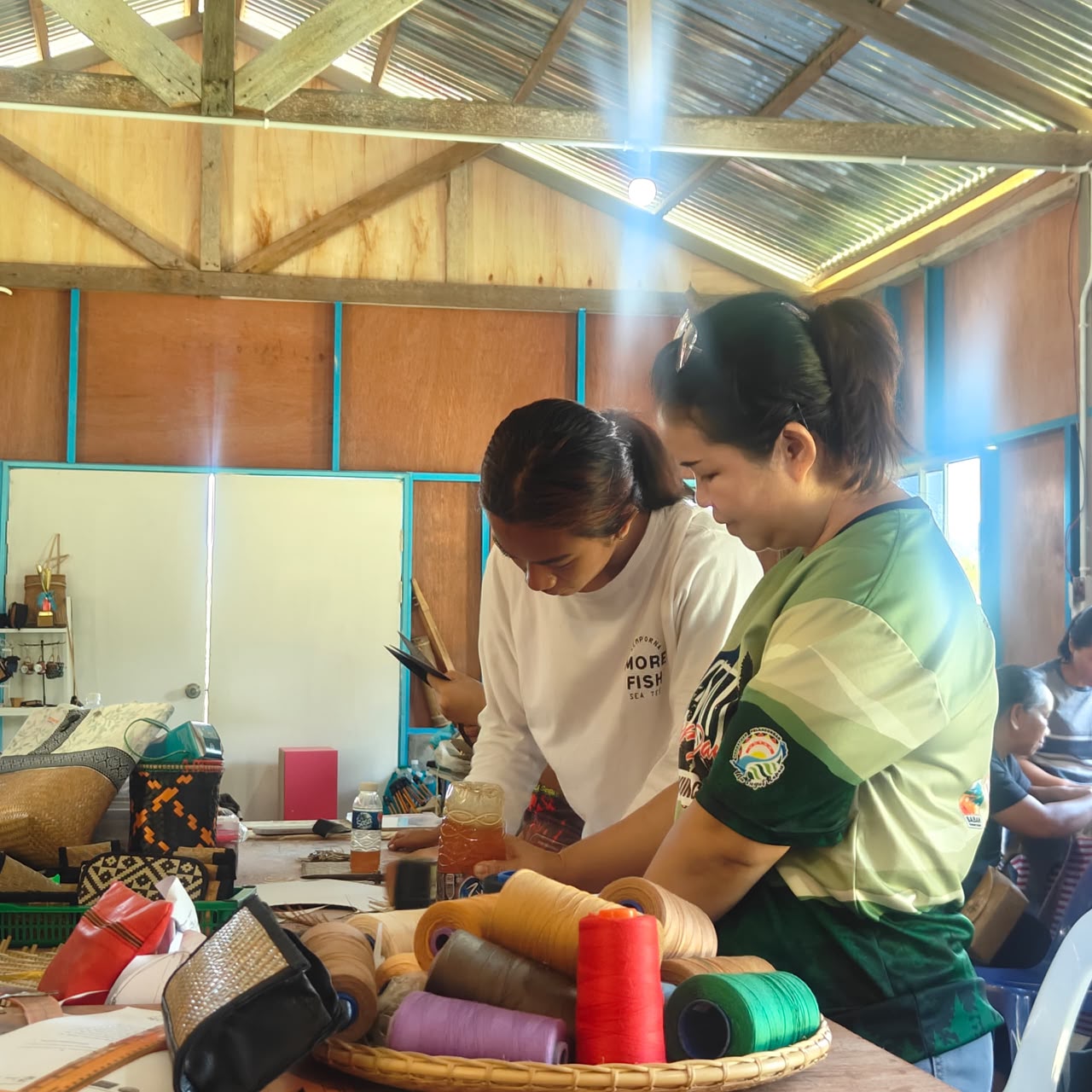
Women in her community knew how to weave, but there were few ways to turn those skills into meaningful income.
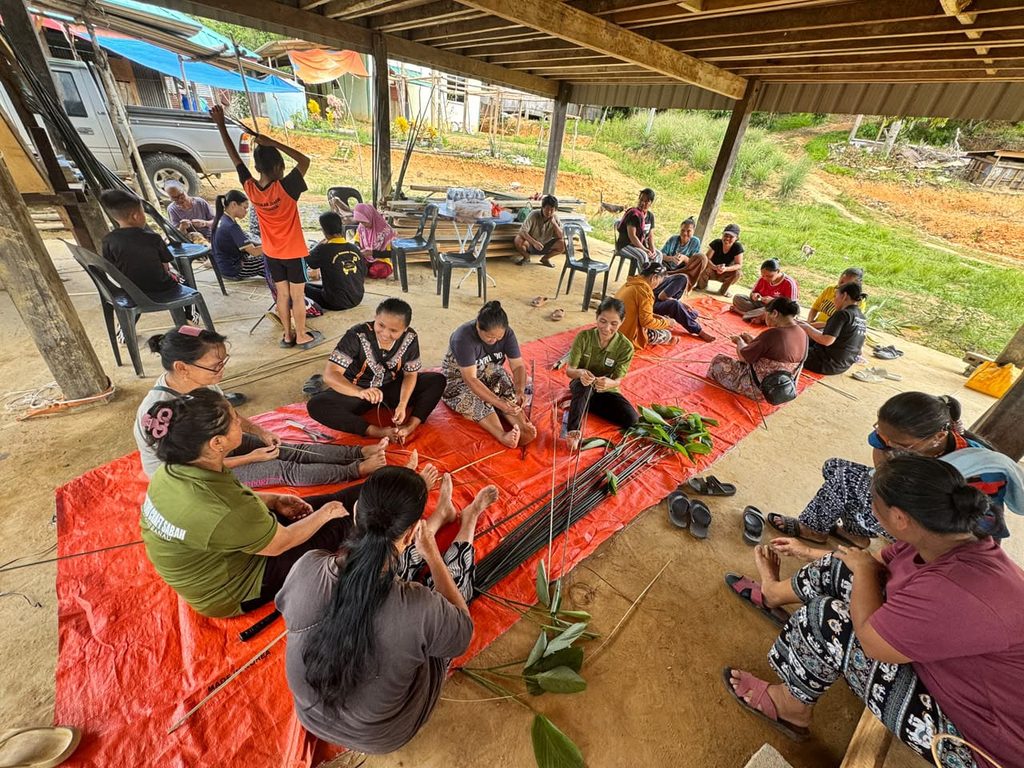
So in 2021, she began simply — holding weaving classes after church services so the knowledge could continue to be passed down. The effort later grew into Kraftangan Kampung Mangkapoh and, eventually, Kraftangan Lias Ulu Sugut.
What began with a handful of women has grown dramatically. By 2026, the initiative involved around 80 participants from more than five villages in Ulu Sugut, including housewives, single mothers and young people.
From Village Craft to Something You Can Carry Home
Today, the community makes around 30 types of products.
There are traditional pieces such as basung baskets, barait backpacks and bubu fish traps, alongside contemporary handbags, wallets and other pieces designed for today’s market. A more intricate handbag can take as long as three days to complete by hand.
But the nicest part of Junisa’s story isn’t really the number of products being made.
It’s what happens when somebody buys one.
A traditional skill has a reason to continue. A woman in a rural village earns from something she knows how to make.
A younger person sees that traditional knowledge doesn’t necessarily belong only to the past. And somewhere outside Ulu Sugut, somebody carries a little piece of Sabah with them.
Junisa herself says her greatest satisfaction comes from seeing women proudly holding something they have woven, young people becoming interested in traditional skills, and products from Ulu Sugut travelling beyond the community.
BAH Says: Don’t Just Admire Local Craft. Buy It.
When travelling, we talk a lot about supporting local.
This is what that can actually look like.
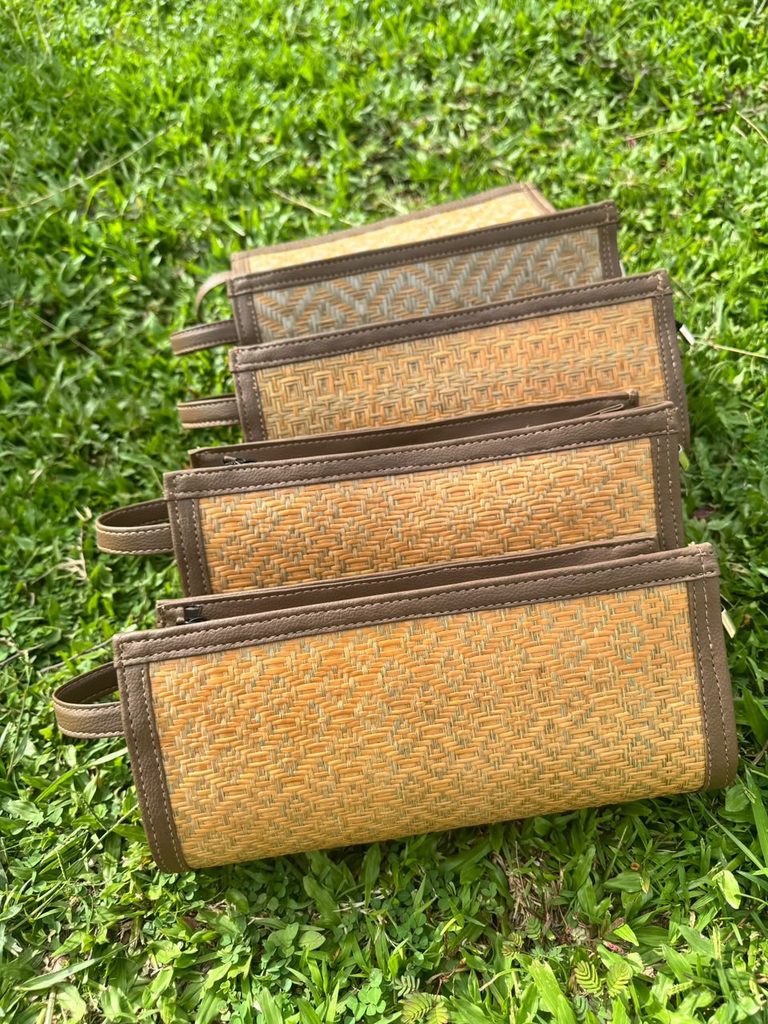
Instead of taking home another generic souvenir, choose something whose maker, material and story belong to the place you’ve visited.
Junisa’s bigger dream is for Kraftangan Lias Ulu Sugut to become a recognised Sabah and Borneo brand while remaining rooted in the community — creating income for women, opportunities for young people and a reason for traditional knowledge to survive.
You can support Junisa and the women of Ulu Sugut through Ping Of Joy, where selected community-made Lias products are available to purchase.
Buy one for yourself. Gift one to someone.
But most importantly, know where it came from.
Because sometimes keeping a piece of heritage alive can begin with something as simple as choosing to buy it.
